

Comparison
Cagrilinitide vs GLP-1 Agonists — Amylin vs Incretin
A mechanism-first comparison of amylin signaling and GLP-driven incretin signaling in metabolic peptide research.

Different Appetite Circuits
Cagrilinitide and GLP agonists both sit inside appetite and metabolic research, but they are not copies of the same signal. Cagrilinitide maps to amylin biology. GLP compounds map to incretin biology. Those systems intersect in the whole organism, but they do not start from the same receptor logic or necessarily control the same dimension of feeding behavior.
Meal Size vs Appetite Drive
One of the most useful ways to compare these compounds is by the appetite dimension being studied. Some protocols care more about satiety within meals. Others care more about overall appetite drive, reward, or downstream metabolic response. Cagrilinitide often enters the discussion when researchers want to add something that is adjacent to, but distinct from, GLP receptor activation.
What the Combination Question Really Is
The combination question is not just 'does adding more compounds make the signal bigger?' It is whether amylin and incretin pathways provide non-overlapping information in the same protocol. That makes Cagrilinitide especially interesting in comparison work rather than only in single-compound designs.
Featured Links
 Research Product
Cagrilinitide
Research Product
Cagrilinitide
Cagrilinitide is a synthetic, long-acting peptide analogue of amylin developed for research applications. It incorporates targeted amino acid substitutions and fatty acid acylation to enhance molecular stability and receptor interaction duration. This compound is supplied exclusively for laboratory research and experimental investigation.
View product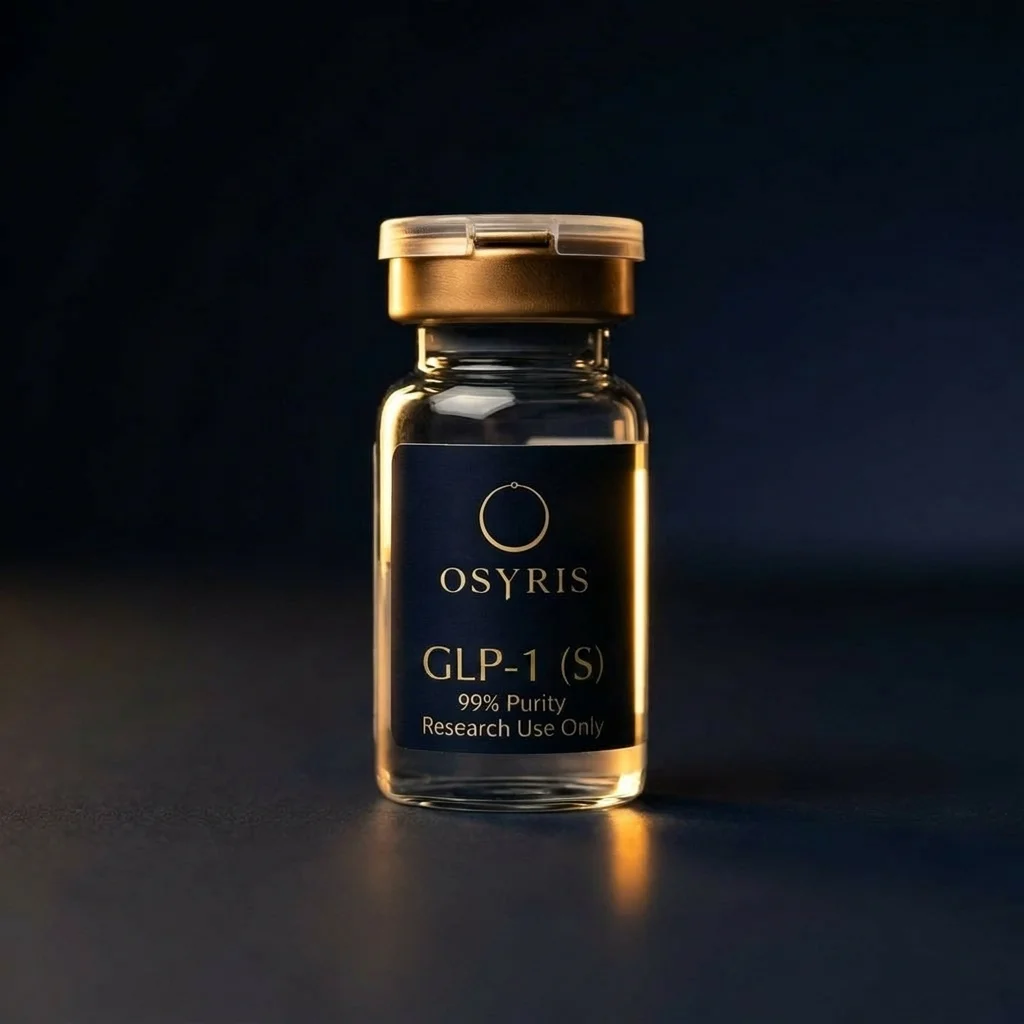 Research Product
GLP-1 (S)
Research Product
GLP-1 (S)
GLP – 1 (S) is a synthetic GLP-1 receptor agonist peptide developed for the investigation of glucose regulation, insulin signaling, and appetite pathways. It is structurally modified to resist enzymatic degradation and prolong half-life. GLP – 1 (S) is supplied for controlled laboratory research and is not intended for human or veterinary use.
View product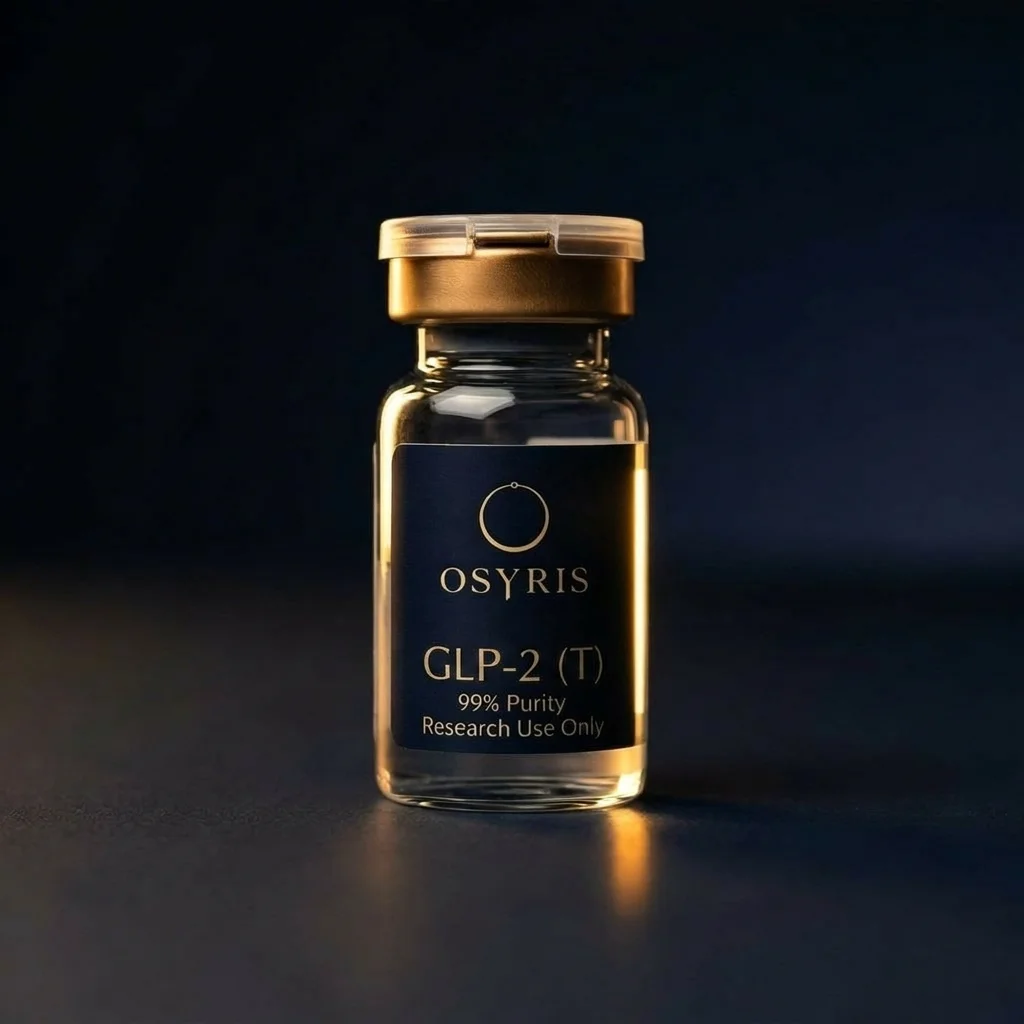 Research Product
GLP-2 (T)
Research Product
GLP-2 (T)
GLP – 2 (T) is a synthetic peptide designed as a dual agonist of GIP and GLP-1 receptors. It is studied for its effects on glycemic control, insulin signaling, and appetite regulation in metabolic research. GLP – 2 (T) is intended strictly for laboratory research use and is not approved for human or veterinary application.
View product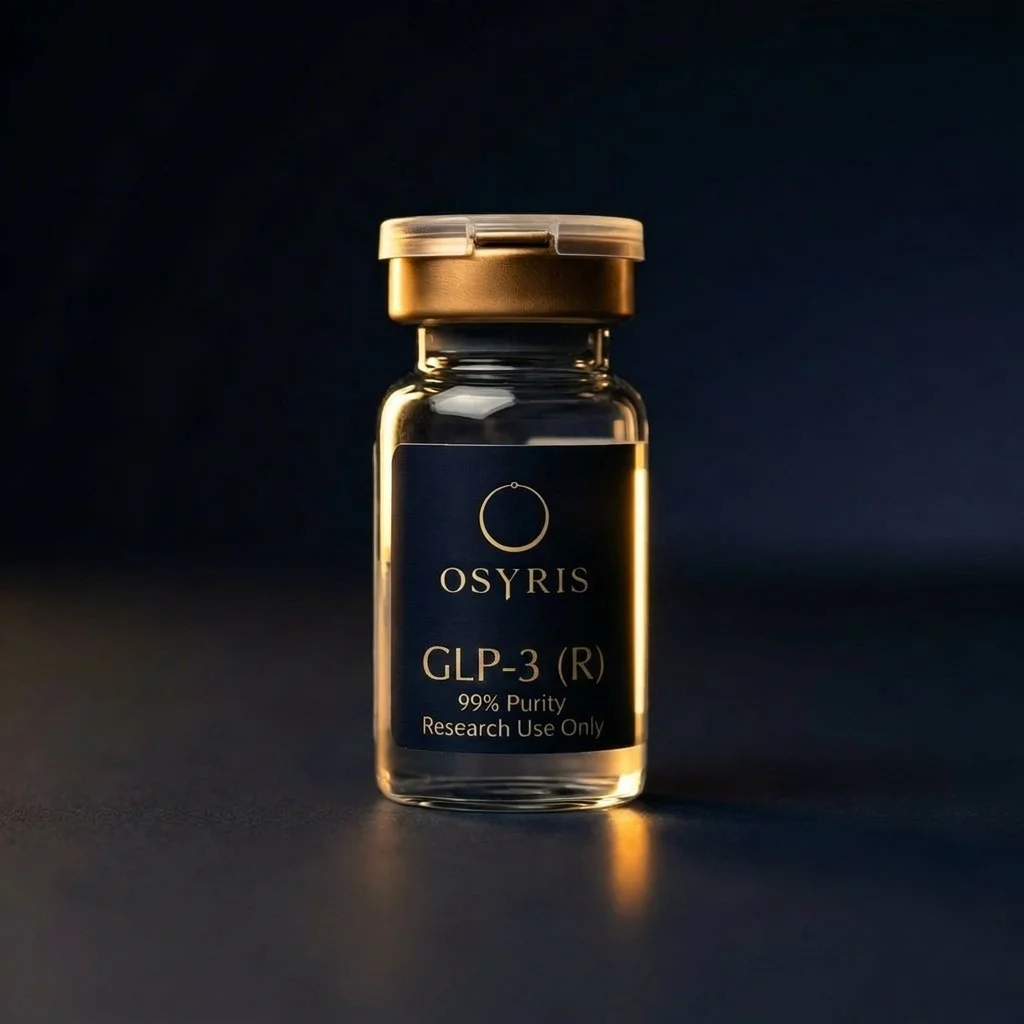 Research Product
GLP-3 (R)
Research Product
GLP-3 (R)
GLP – 3 (R) is a synthetic peptide that functions as a triple agonist of GLP-1, GIP, and glucagon receptors. It is studied in preclinical settings for its role in regulating energy balance, glucose metabolism, and lipid utilization. GLP – 3 (R) is provided exclusively for scientific research and is not approved for therapeutic use.
View productQuestions
Common Questions
Is Cagrilinitide a GLP peptide?
No. It is better understood through amylin biology rather than incretin receptor agonism.
Why compare Cagrilinitide to GLP-1 compounds?
Because the comparison clarifies whether the protocol needs incretin signaling, amylin signaling, or both.
Do they act on the same receptors?
No. They belong to different receptor systems even though they may influence overlapping metabolic outcomes.
When should a protocol use Cagrilinitide instead of GLP compounds?
When the question is specifically about amylin-related signaling or combination work beyond pure incretin biology.
Can they be studied together?
Yes, and that is often where the comparison becomes most informative.
Are these sold as therapeutic products here?
No. They are sold as research compounds for laboratory use only.