

Regulatory Guide
The Difference Between Research-Grade and Pharmaceutical-Grade
A plain-language guide to compound quality tiers, cGMP, analytical testing, and the differences between research-grade and pharmaceutical-grade products.
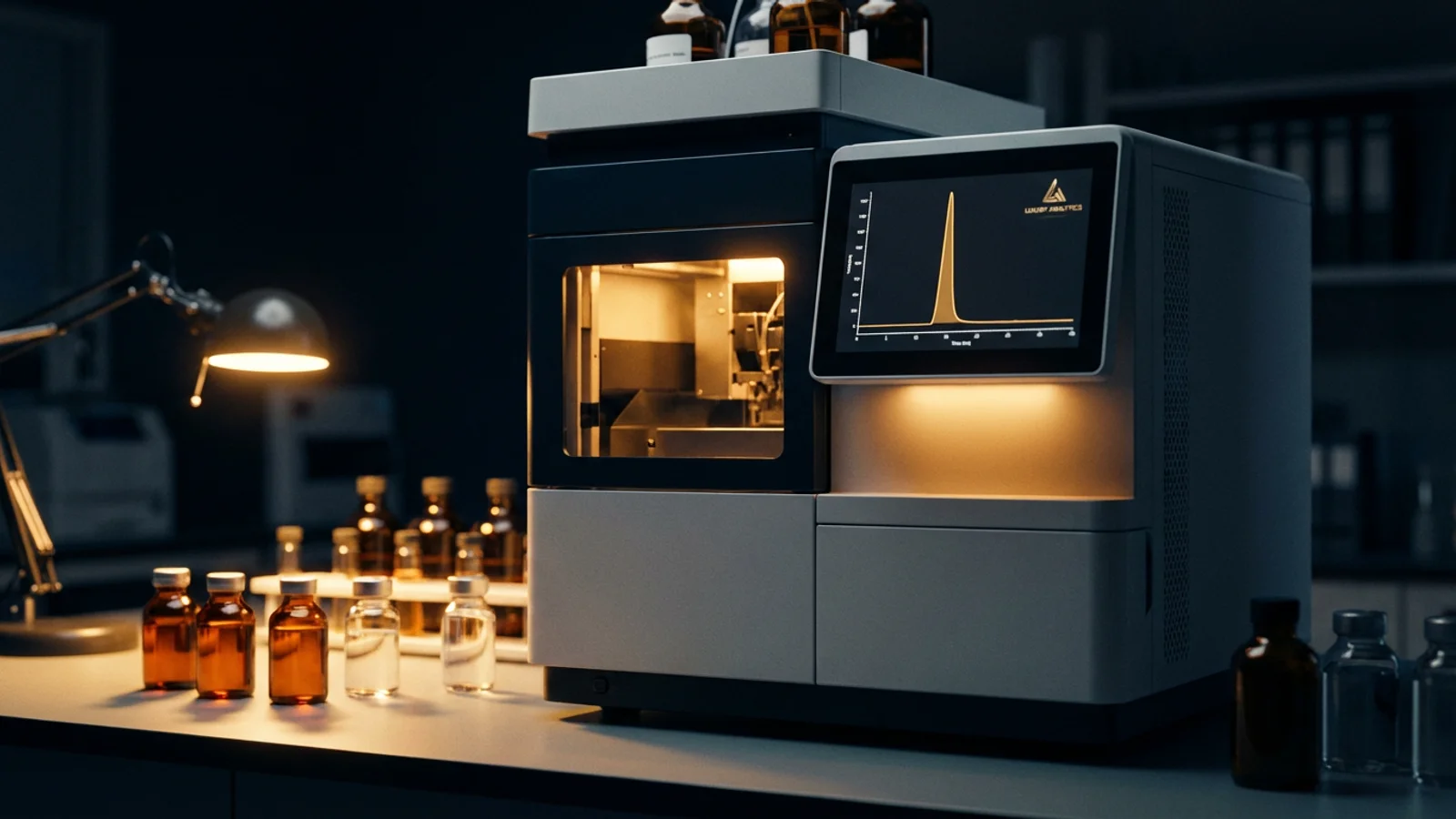
Three Quality Tiers
Pharmaceutical-grade (cGMP): Manufactured under current Good Manufacturing Practice regulations with validated processes, release testing, and documentation suitable for human-use products.
Research-grade: Manufactured in quality-controlled facilities with identity and purity verified by analytical testing. Suitable for laboratory research, but not sold as human-use pharmaceutical inventory.
Technical-grade: Material made for industrial or non-biological use, typically with looser purity or documentation expectations than research-grade material.
Why the Price Gap Exists
Pharmaceutical-grade production carries the cost of validated manufacturing lines, full deviation tracking, stability programs, sterility controls where relevant, regulatory inspections, and release documentation. That infrastructure is expensive because it is designed for patient-facing products.
Research-grade products do not carry that same regulatory burden, but they can still be analytically rigorous. Identity confirmation, purity testing, batch documentation, and clean research packaging remain essential if the material is going to support serious laboratory work.
Where OSYRIS Fits
OSYRIS products are research-grade. They are independently tested for identity and purity to standards appropriate for laboratory research. They are not represented as pharmaceutical-grade and are not manufactured under a drug-approval pathway.
That distinction is intentional. It lets researchers see exactly what they are buying without blurring the line between analytical quality and human-use regulatory status.
Featured Links
Review the OSYRIS testing workflow, documentation practices, and quality standards that support each batch.
Open → Documentation Product CertificatesBrowse the current certificate archive and download batch-specific COA documentation for the catalog.
Open → Practical Guide How to Read a Certificate of AnalysisUse the COA guide to see what analytical proof looks like on a real research-grade batch document.
Read →Questions
Common Questions
Is research-grade unsafe?
Not inherently. Research-grade means the product is intended for laboratory use rather than human administration. Analytical quality still matters, which is why identity and purity testing are central.
Why is pharmaceutical-grade so expensive?
Because it includes validated manufacturing systems, release controls, documentation, audits, and regulatory overhead designed for human-use products.
What testing does research-grade include?
At OSYRIS, research-grade focuses on identity confirmation, purity analysis, and batch-specific documentation such as COAs.
Can research-grade be used in cell culture?
Yes. Research-grade compounds are commonly used in cell culture and other laboratory workflows, provided the testing and handling standards fit the protocol.
What does cGMP stand for?
Current Good Manufacturing Practice — the manufacturing framework used for regulated pharmaceutical production.
How does OSYRIS ensure research-grade quality?
Through batch-specific documentation, third-party analytical testing, and clear separation between research-grade positioning and pharmaceutical claims.